
Class Shame Versus True Gentility
Great ExpectationsThe novel tests Pip’s belief that gentility comes from money and appearance against the conduct of people whose moral worth exceeds their social rank.
increasing Bearing strength in each event
 decreasing
Bearing strength in each eventdecreasingA Household Called Common
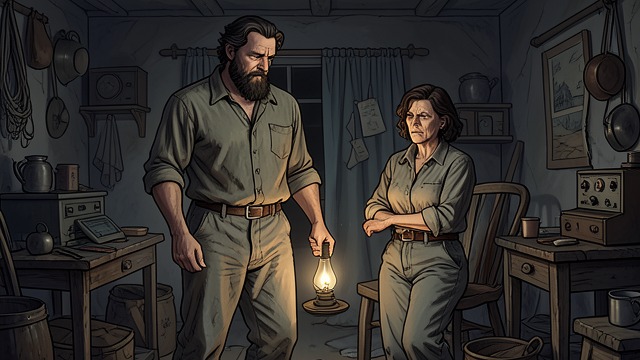
A Household Called Common
Poverty as daily fact
Pip’s home is materially plain, and Mrs. Joe Gargery makes him feel that his upbringing is a burden. Joe’s kindness nevertheless gives the household a moral center.
Status not yet desired
As a child, Pip initially imagines the forge as a path to adulthood. His later shame is learned rather than inevitable.
Estella’s Class Judgment
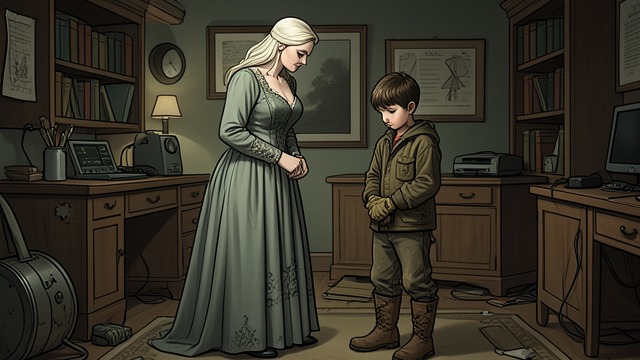
Estella’s Class Judgment
Visible markers
Estella identifies Pip as a laboring boy by his hands, boots, and card-game language. Pip adopts her judgment and begins to feel that ordinary work marks him as inferior.
A conflict internalized
No one needs to forbid Pip from loving Joe or the forge; Pip begins to distance himself on his own. Class hierarchy becomes a private shame that shapes his choices.
A Gentleman by Expectation

A Gentleman by Expectation
Appearance purchased
Pip buys fashionable clothes and adopts the habits of a gentleman, believing that money has changed his worth. His debts and social performances expose how fragile that transformation is.
The false standard
Bentley Drummle possesses wealth and rank but behaves with cruelty and arrogance. Herbert and Joe, by contrast, display the generosity Pip’s ideal of gentility lacks.
The Convict’s Gentility

The Convict’s Gentility
Status reversed
Pip’s benefactor is not an aristocrat but Abel Magwitch, a transported convict. Pip initially treats this fact as a disgrace that invalidates his rise.
Character in conduct
Magwitch’s loyalty and capacity for affection complicate Pip’s assumptions about respectable status. Joe’s steadfastness and Herbert’s friendship confirm that goodness cannot be purchased with fashionable clothes.
A New Definition
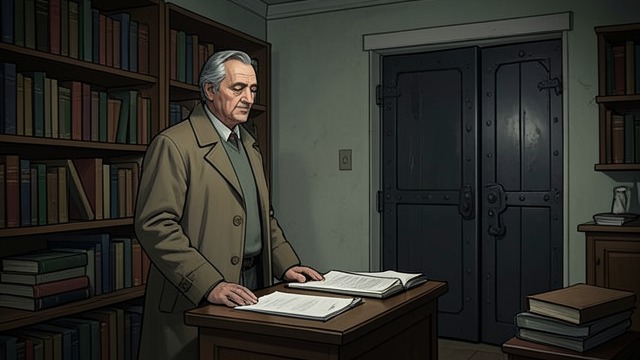
A New Definition
Work rather than inheritance
Pip pays his debts and joins a commercial firm. He accepts that an ordinary living earned through effort is more secure than status founded on another person’s fortune.
Respect without rank
His later life values friendship, labor, and honesty. The contrast between Pip’s early social ambition and his final conduct resolves the conflict in favor of moral character.
Pip’s childhood before Satis House
Pip’s first visit to Satis House
the years after Pip leaves for London
the night Magwitch returns to the Temple
after Pip’s return from abroad
